Lessons Learned From Interviewing Over A Dozen Merchants
Medium · Business & Markets · 2017 · 1.3k words
Visa shares insights from interviewing numerous F&B merchants, a look at common struggles and strategies for loyalty programs.
Lessons Learned From Interviewing Over A Dozen Merchants
Si Quan is the “F&B merchant whisperer”, divining intimate details about their lives and businesses. Here’s what he’s learned from many hours of interviews.
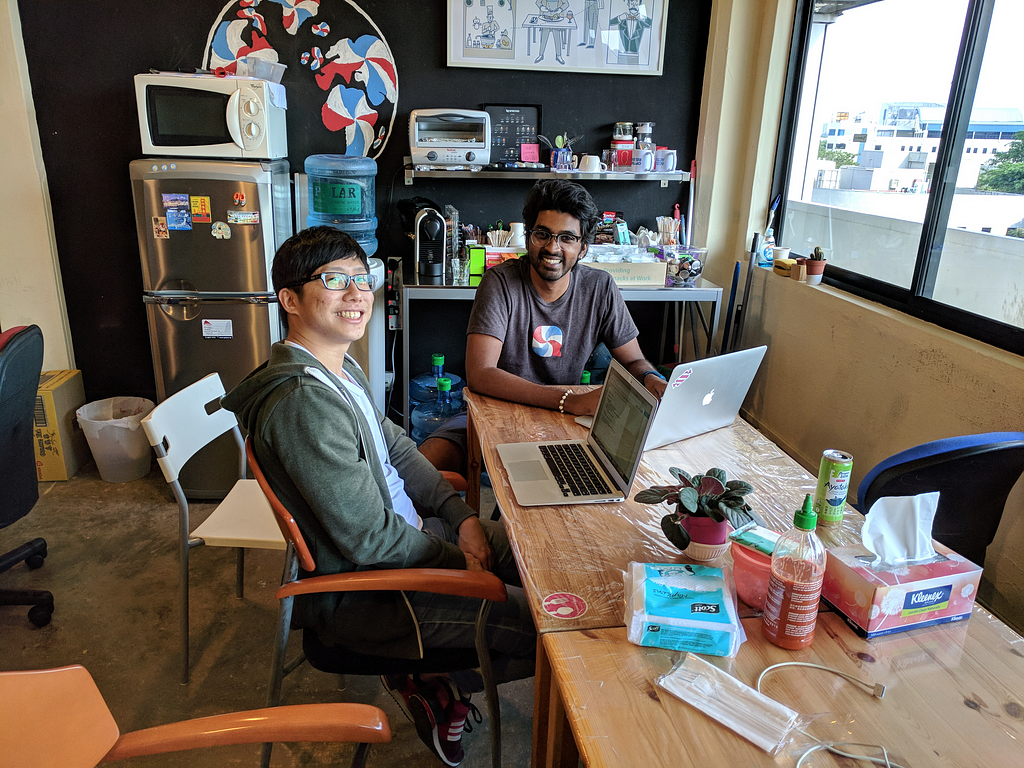
Si Quan (left), our resident breakdancer and content guy, has been interviewing a series of F&B outlets for the CandyBar blog.
I was curious to find out what he’s learned in the process. So I sat him down and asked him!
“So, for everyone who’s unfamiliar: Why are you doing these merchant interviews?”
“Well, we’re looking to get more merchants to use CandyBar to run their loyalty programs. And part of how we do that is by publishing content. These merchant interviews are just a subset of the broader content strategy.
I believe that merchants are always interested in learning about other merchants, and so I thought these interviews would be a good way to get some visibility among potential users.
Along the way, I’ve also found that it’s a good way to understand our potential users better — their backgrounds and struggles. It’s also a good way to practice selling CandyBar to people in real life. Lots of unexpected benefits!”
“Do you remember your first interview? What was that like?”
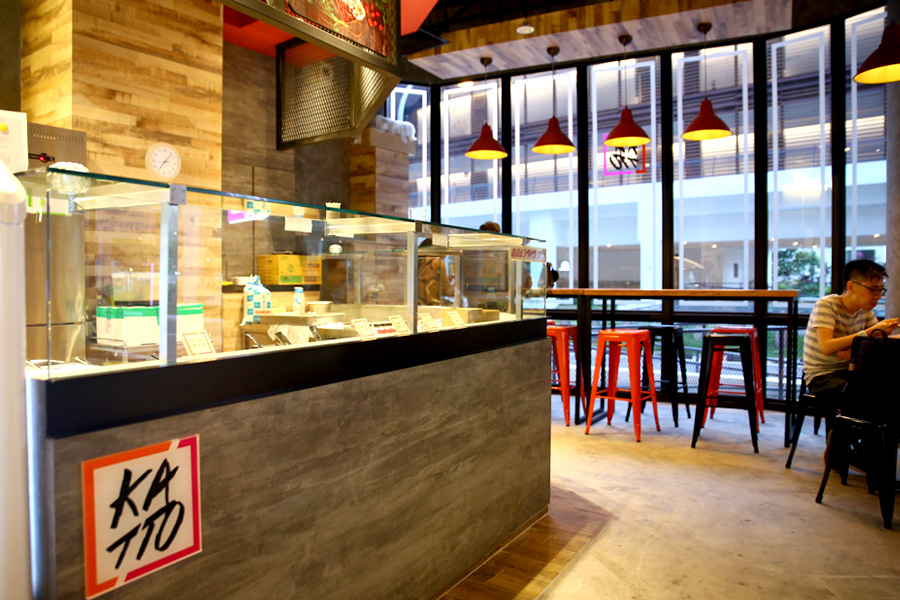
“My first interview was with Katto. I didn’t know what to expect. I did some research on good questions to ask, wrote them down, rehearsed them in my mind.
My goal was to get to know them as deeply as I could. If you Google them, you get several posts describing the food — but there’s almost nothing about the business itself, or the founders. That’s what I wanted to learn more about.”
“How did you get that interview set up?”
“The owner was a friend of a friend, so I had the benefit of an introduction. I texted him on WhatsApp: “Hi, I’m SQ, a friend of X. Can I ask you a few questions for a post on our blog? It’ll be free publicity for you, etc.”
He said, “Sure, come on down.” There was actually very little back-and-forth, and the location was quite near our office. Most merchants take a little longer — they like to know what the questions would involve, and they have complicated schedules that can change at the last minute.
I went down at 3pm — it was after lunch, so there weren’t a lot of people. I was talking to him in the shop. Sometimes he’d even pause the interview for a minute to man the cashier! I meet all retailers in off-peak hours, either early or late.”
“What was the most interesting thing about all of that? What surprised you?”
“I didn’t expect the merchants to be so chatty! Older business owners have a bit of a reputation for being quite secretive, afraid to give anything away. So I thought I’d have to prompt and ask a lot of follow-up questions. I was worried it was going to be awkward.
Yet, interestingly, all of the merchants I interviewed actually really liked talking, especially about their business. I could ask one question and they’d go on and on, for over an hour. I’ve even had a few saying, “Thanks for giving me an hour,” or “Oh no, I think I ranted and rambled too much!”
I typically start with a simple, “So, how did your restaurant get started?” And immediately I get to hear their entire life stories. Some of them even tell me intimate details about sensitive issues like debt or employee fraud. On our first meeting!
At first, I was really surprised. But I’ve grown to realize, there is a loneliness to entrepreneurship. It’s a funny paradox: they’re very sociable, that’s why they’re in the people business… and yet they’re too busy to have much of a social life. One merchant even said to me, “I don’t think anybody has actually asked me the full story before.”
Of course there’s some selection bias here — the people who say yes to a chat are the ones interested in chatting. Not everyone responds to my requests.
“You’re managing meetings with a lot of busy people. Tell me about how you manage your scheduling and follow-up process? Do you have a system?”
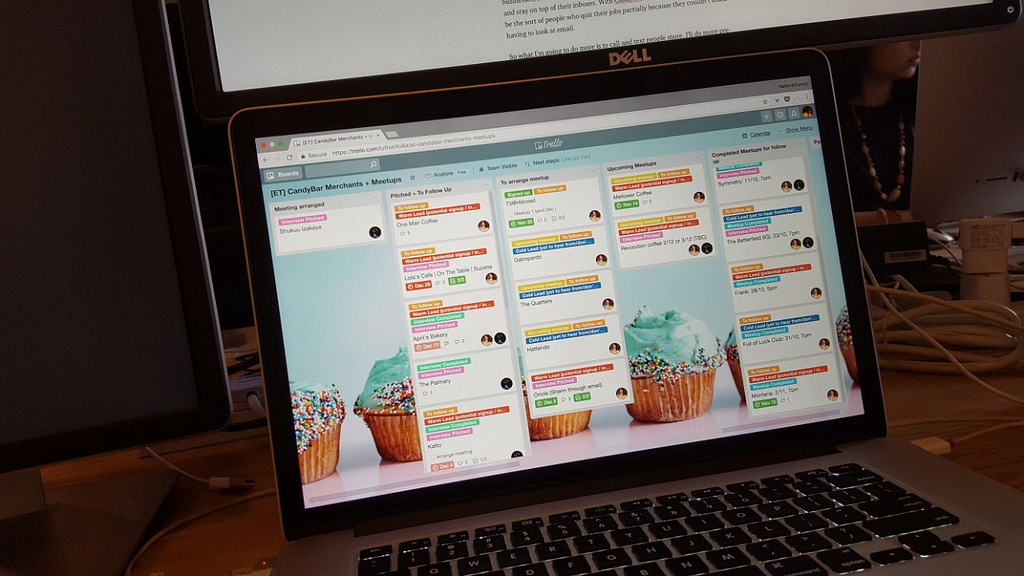
“Yup, I have a system. I contact merchants mainly via WhatsApp and email. If I contact someone, I remind myself to follow up with them. I use Trello to keep track of the status of each meeting. The labels and columns are super helpful.
When I first started doing this, I asked a journalist friend for advice. She told me that if she talks to SMBs, she hardly uses email — because they just don’t have the time to check it!
It’s an interesting contrast. With ReferralCandy, our clients are online businesses, so email is their bread and butter. They stay on top of their inboxes. With CandyBar, many of our clients seem to be the sort of people who left their desk jobs partially because they didn’t want to look at email.
So what I’m doing is calling and texting people more. If I message them, and I notice that they’ve “blueticked” me without replying, I’ll call them within a few minutes. They’ll usually answer. If they’re really busy, I’ll ask to schedule a time when I can call again.
The phone calls and the texting are very important — you get a very small window to get a busy merchant’s attention!”
“How do you get the tone right? You’re being quite persistent, and yet you seem to be getting positive responses.”
“Well I started by posting on Facebook that I’m looking for merchants to interview, so many of my friends tagged their friends. People seem more compelled to respond when it’s because of a friend’s referral.
Beyond that, I try to be casual, likeable, friendly in my emails and messages. No pressure, no judgement. Just a friendly follow-up.
Following up really works. I sent someone 4 emails before she replied, “I’m so sorry, it went to spam, please give me a call.”
People are actually touched when you follow up. It’s quite contrary to what you’d expect.”
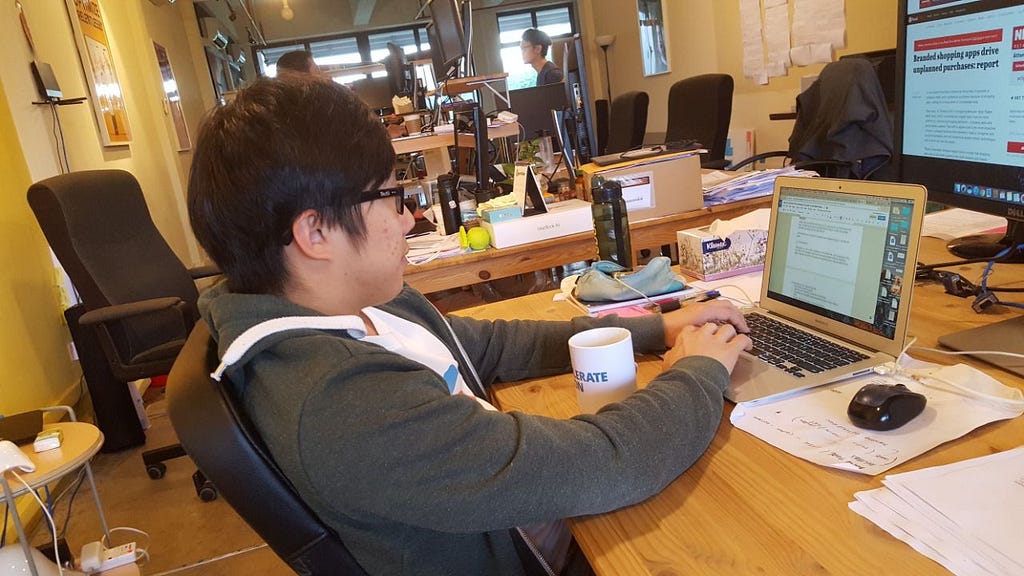
“Is there anything else you’ve learned that you’d like to share? How have your motivations changed?”
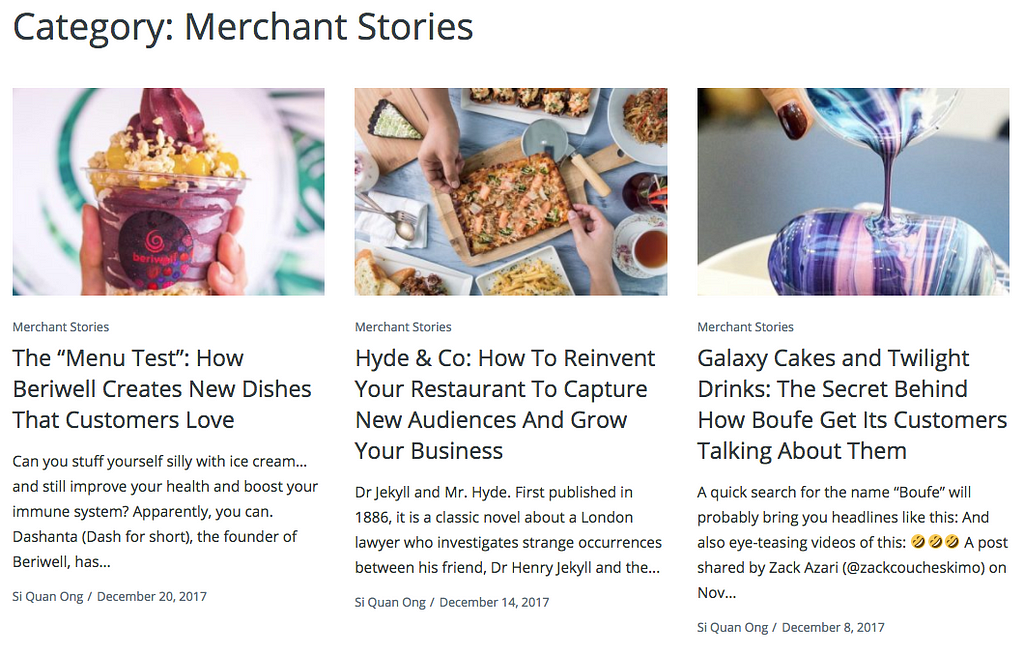
“When I talk to merchants, I tell them that I have two motivations. The first is to get their thoughts about CandyBar. And the second is — it’s my honest goal to give them a voice. I feel like the world right now is just saturated with content focused on startups and ecommerce, what all the big venture-funded companies are doing.
In contrast, these businesses aren’t getting much coverage. But they are also interesting and important! They service the lower rungs of Maslow’s hierarchy. They live a harder life, make bigger sacrifices, face tougher competition, and their stories are still relevant to everyone.
When people usually read about restaurants, their primary concern is typically, “Is the food delicious? Is the ambience nice? Can I get nice photos for Instagram?” Hardly anybody cares about the business owner, the staff. The content is always, “X’s food is good, Y’s food sucks, here are the top ten cafes you should try.”
But there’s a much more compelling story here. Who’s behind this? What is their passion? Why do they persist when it’s so difficult? We can all learn from them.”
Check out SQ’s merchant interviews on the CandyBar blog!
Lessons Learned From Interviewing Over A Dozen Merchants was originally published in Bytes of Candy on Medium, where people are continuing the conversation by highlighting and responding to this story.
Originally published at https://bytes.referralcandy.com/lessons-learned-from-interviewing-over-a-dozen-merchants-fa3c8d43a948.