The Instructions I Wish I Was Given (As A Newbie Startup Marketer)
Medium · Marketing & Branding · 2017 · 2.9k words
Visa lays out the advice he wishes he'd had as a new startup marketer: prioritize hard, stay accountable, and focus on the few things that matter most.
The Instructions I Wish I Was Given (As A Newbie Startup Marketer)
AKA the blogpost I wish somebody had written for me
I was reviewing some notes from 1–1 meetings that me and my manager Dave used to have, and I thought I’d summarize a bunch of the repeated talking points we’ve had over the years. This is the blogpost I wish someone had shared with me when I was starting out, and I hope it’s useful to someone!
Identify + focus on your top priorities (because if you don’t, what ARE you doing?)
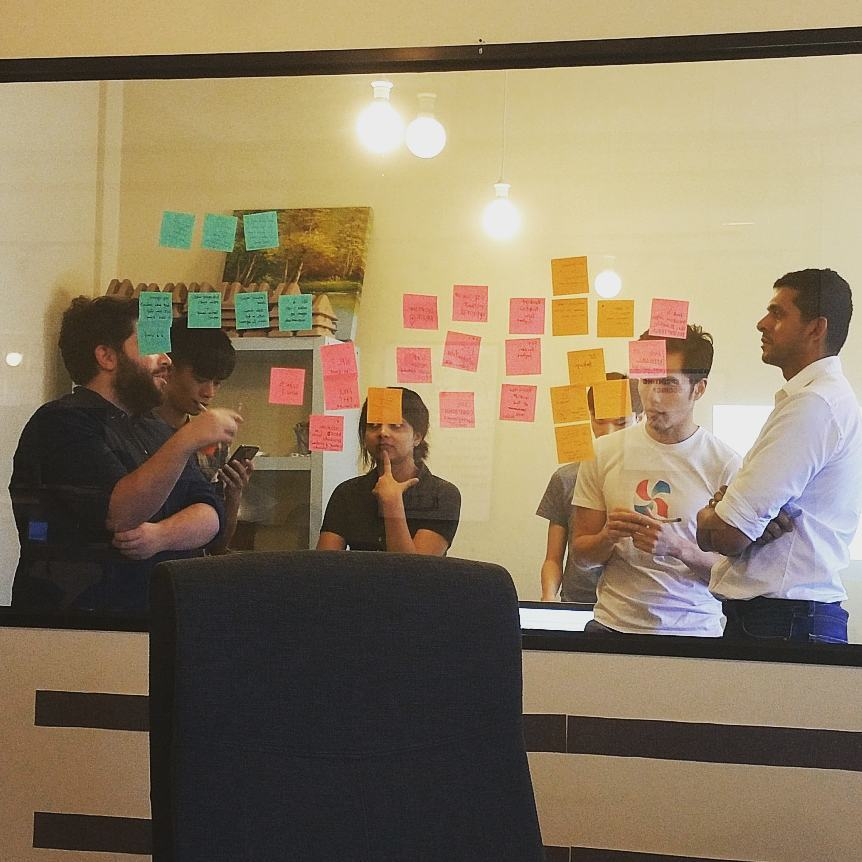
Is the top priority the top priority?
What’s the single most important thing you need to be doing? If you don’t have an answer to this, you should drop everything and figure out what the answer is. Having an answer here forces clarity and focus. Not having an answer is dangerous — it guarantees that you’ll be working on unimportant things and wasting your precious time.
There will always be an endless stream of things to do. It’ll be tempting to do whatever is easiest, or most fun, or most familiar. But this is a trap that will screw you over in the long run. It’s better to make 5–10% progress on the most important thing than to finish lots of tasks that don’t actually move the needle.
If you do nothing else: Prioritize.
What are you accountable for?
Everybody in an organization should own something. Ideally, it should be a metric that is tied to your top priority (See #1). If it isn’t, you should discuss it with your manager or boss and establish what your top priority really is.
Once you’ve settled on a metric (and you usually need to have some sort of counter-balancing metric, to try and mitigate the problem of perverse incentives), you’ll want to make sure that you know as much as possible about how to make a positive dent in this metric.
Dominate your area of responsibility.
You want to be really good at the thing that you’re supposed to be handling. Sounds kinda obvious, but sometimes it can be tempting to try to do a bunch of secondary things. Go back to point 1 — keep the main thing the main thing.
Of course, sometimes you will have a bunch of things you need or want to do. Some things have multiple, non-independent variables. Nobody said this was going to be easy. But just remember what you’re responsible for, and keep that #1.
Make your goals and targets precise.
If things are vague or ambiguous, set aside time to make them precise. Don’t work with ambiguous plans — it’s a recipe for distraction and scope creep. Learn to identify vagueness in your own thinking, writing and communications, and weed it out.
Nobody ends up at the top of a mountain or crosses the finish line of a marathon by accident. You need to be precise about where you’re going, so you can actually get there.
Manage yourself like an important, valuable resource — because you are
“The first principle is that you must not fool yourself and you are the easiest person to fool.” — Richard Feynman
Be honest about what you don’t know.
Be honest with yourself, most importantly. The clearer you are about this, the better positioned you will be to learn and improve. As a bonus, you’ll find that being intellectually honest in a candid way encourages people to be honest with you in turn. It just makes for a healthy atmosphere. Practice communicating your uncertainty in a constructive, inviting way. It’s refreshing to be around people like that.
Have a schedule and respect it.
I hated calendars and timetables as a kid, and spent many years dealing with subconscious stress of having to deal with any sort of deadline. But truths are true whether we like them or not: We have limited time and an unlimited set of things to do. In the absence of good routines, we fall into bad ones. If you’re not deciding in advance how you’re going to spend your time and energy, then other things will decide for you — the urgency of an interruption from somebody, the ease of an unimportant task. This compounds.
(After years of oscillation, I came to realize that my issue wasn’t actually with schedules — it was with being forced to do things that I didn’t want to do. I subconsciously had a negative association with calendars, due dates and so on. If you’re like me, this takes a lot of work to undo. Start by making really small, simple plans and then get them done. Write down something that you can do in 5 minutes, then do it, and scratch it off. Do this over and over and get better at it, and add more time. It gets more complex as it gets larger, like a video game. It’s actually quite interesting once you reframe it this way. You learn a lot more about yourself and the world around you.)
Take time off — schedule it early, and respect it.
You are a resource and you need to recharge. Don’t burn out. Think long term. When I started working, I felt like I was given an opportunity I didn’t deserve. I didn’t feel qualified. I felt like I was always behind on my work. So I kept deferring and postponing when I’d eventually take a vacation.
On retrospect, this was a hilariously bad idea, and I regret it. I would have been happier, healthier, and have gotten much more done if I simply bit the bullet and scheduled my time off in advance. But I simply couldn’t see it when I seemed to be surrounded by deadlines and targets I was struggling to meet because of my own incompetence. I needed someone to tell me, firmly — take the damn break. You’ll be doing your team a favor.
Reflect and review on your past work — periodically, consistently.
Analyze your past work to figure out what worked, what didn’t, what went well, what didn’t… you should be doing this regularly, on your own. I’ve always been a little bit sloppy with this — I don’t always take notes, and when I do, I don’t always review them. If I could start over again, I would work to be more systematic and disciplined about this.( I’m writing this blogpost now because I was reviewing my 1–1 doc.)
Write down your processes.
This is helpful at multiple levels. First of all, simply taking something out of your brain and putting it on paper is an incredibly useful habit. It forces you to figure out what you really mean. What are you trying to achieve? How do you make decisions? When you articulate your processes, you can analyze them. You can look for weak points and improve them. It’s like watching a replay of yourself. You can share your processes with others, and get feedback.
Take a day off and literally just write down everything you do at work, for work. If you don’t already do this from time to time, you’ll surprise yourself with something.
Realize and acknowledge that YOU are in charge of yourself.
Even if you have great managers, you ultimately need to take responsibility for your own learning, your own execution, your own growth. Looking back, I think I spent most of my first 3–4 years in a sort of reactive mode (rather than proactive). I did have great managers who gave me lots of great targets, advice, context, structure and so on. And maybe they even spoiled me a little, because it took me a few years to think, “Well, damn, I gotta set loftier goals for myself, and meet them.”
Unless you have a crazy boss or manager, nobody is going to push you as hard as you can push yourself. (I don’t mean overwork yourself in terms of number of hours, I mean challenge yourself in terms of pushing yourself out of your comfort zone. Trying new things, learning new things that are outside your immediate job scope, etc.)
Set aside time for learning and take it seriously.
When you find good content about your field, bookmark it for later, and go through it at a regular interval. Weekly is pretty good. If you’re doing a bunch of reading and learning, share your findings with someone else. This helps you understand. Implement your learnings. Set monthly and quarterly goals.
Always take pains to communicate effectively — your impact on your team members is highly consequential
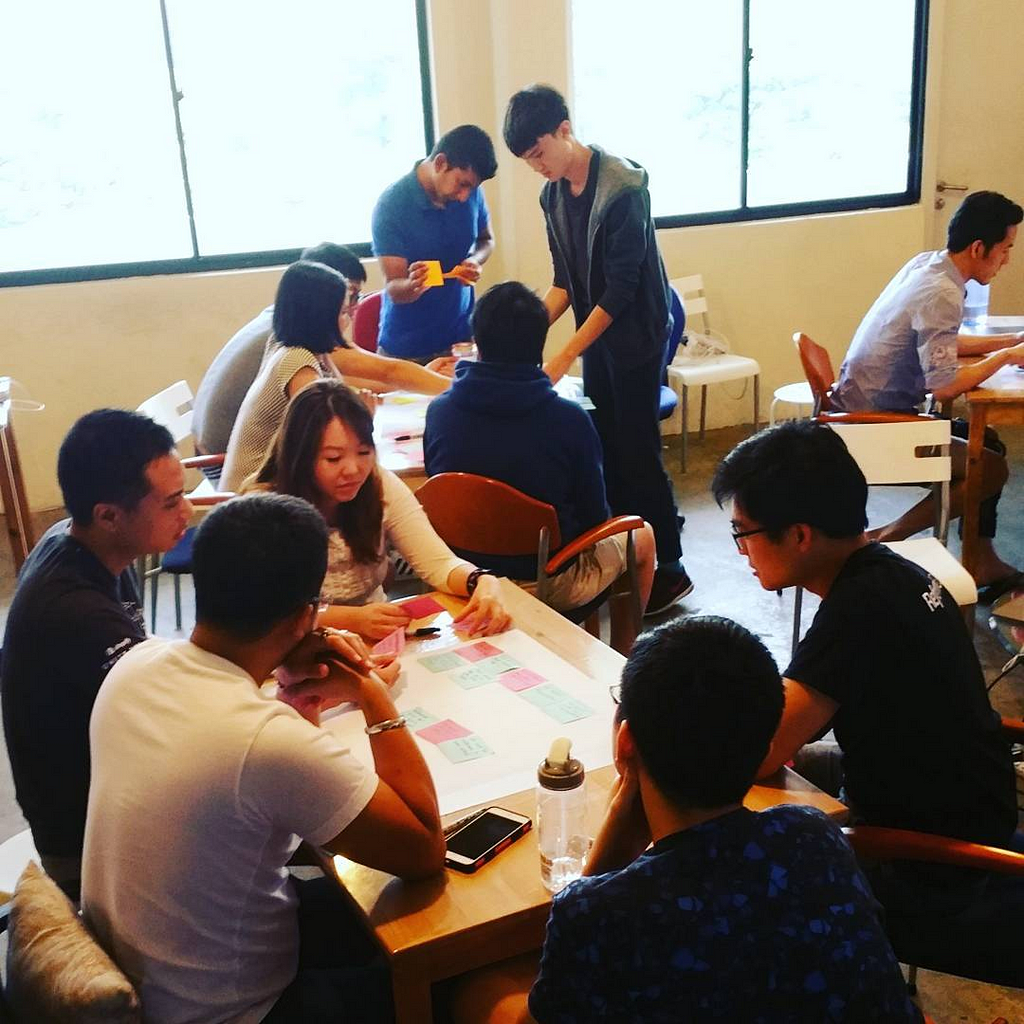
Communicate early, communicate often.
In my earlier days, I was often self-conscious and trying to figure out everything by myself. If I owed somebody something, I tried to figure out everything and get it all done first before passing it on. If I ran into any difficulties, I would either go a little nuts, or I’d procrastinate until I didn’t have much time left, and then get it done in a panic. Show your work. Share your sketches and drafts.
You need to build trust and rapport with your team so you can feel comfortable doing this. Early-stage feedback is much more useful and actionable than late-stage feedback. Sometimes simply asking a few questions or chatting about something in an open-ended way can lead to superior ideas and solutions that you didn’t expect.
Ask clarifying questions. Make it a habit.
Everything is vague to a degree you don’t realize. So make an effort to make things precise. Being clear about exactly what is expected is very important. People having different expectations, different understandings of a situation, interpreting vague instructions differently, etc — all of these are sources of lots of friction and frustration.
So it’s worth spending a lot of time and energy making sure everyone is aligned on whatever you’re doing. A team that’s good at this can outperform a team of highly skilled individuals. (Use your preferred sports analogy here.)
Lean on your team; practice asking for help.
Real life isn’t a closed-book examination, where you have to get everything done right yourself, in isolation. Ask for help if you need it. This may vary a little depending on your company culture and personality. Some people might be intrusive and demanding. But I generally get the sense that smart, respectful people tend to err on the side of caution — not wanting to interrupt others.
That said, when you ask for help, be simple, clear and specific about it. “Hey, when you have a moment — I need some fresh eyes to look at my slides for a few minutes and offer copy suggestions”. Don’t interrupt people with open-ended non-requests, that’s disrespectful. Give people a very clear ask, and sometimes they’ll even be grateful for the brief distraction + chance to help move something along.
Be encouraging and supportive.
It makes a difference. It can make all the difference.
Always Be Peopling — organizations and industries are made of people; build relationships with them

Always be networking.
It’s easy to fall into a pattern of thinking that you need to focus on whatever’s in front of your face. There’s always going to be more work to do. You need to be able to zoom in and out. Meet people who are in similar roles as you, doing work similar to what you’re doing.
This will help you do your job better. And it’s also quite pleasurable and heartening in its own right, for its own sake. It definitely beats arguing with strangers on internet forums.
Realize that people know things — so get to know people.
They will tell you things in person that they won’t ever write in a blogpost or post online — and these will be some of the most powerful, useful things for you to know. They can open doors for you. They can set things up for you.
Sometimes the problem you’ve been struggling with for weeks or months has a simple solution, and that solution happens to be inside somebody’s head — that you can access for the cost of a beer or coffee.
Make a list of people you’d love to work with and learn from.
Have a pipeline for hiring, even if you aren’t responsible for hiring decisions. It makes sense to build relationships with people for the long haul. It’s good to know good people even if you aren’t necessarily going to make a career in any particular industry.
Practice public speaking — give talks, presentations, etc.
Communicating what you know with other people is a powerful skill. It will make you a better professional. And you’ll feel lighter at work, too, because the act of teaching and sharing makes you more comfortable and confident in your area of expertise. And it’s just pretty cool and fun to do. I remember all the talks I’ve ever given. They’re good memories.

Some miscellaneous thoughts and suggestions:
Identify your constraints.
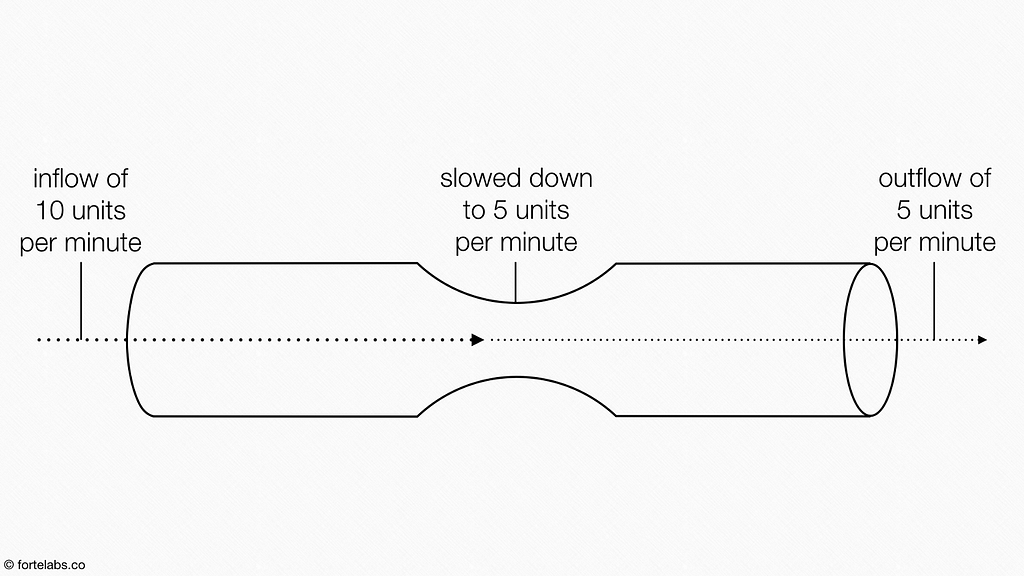
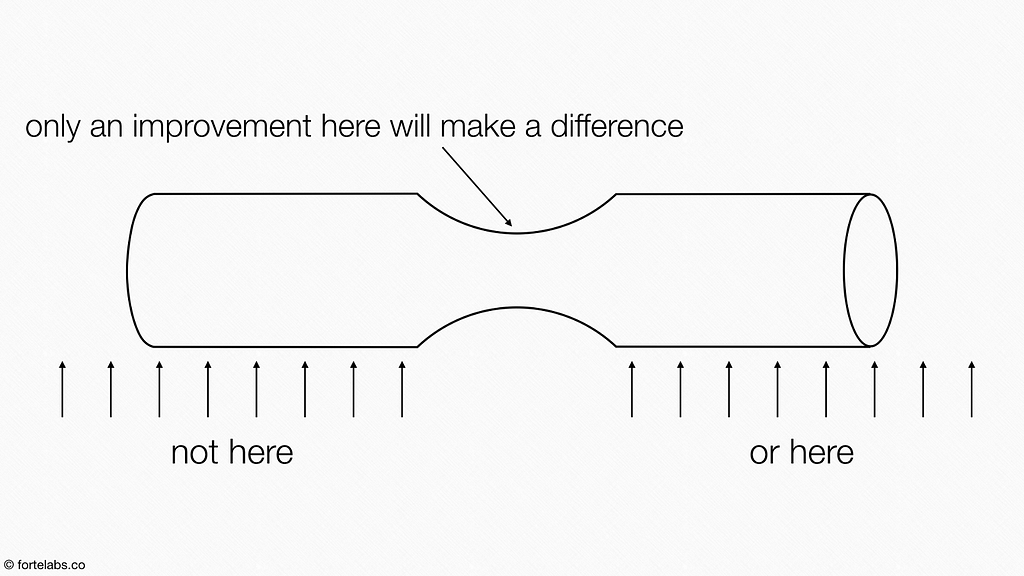
Is it money? Is it ideas? Is it execution? Is it time? What’s stopping you from making 2x, 5x, 10x the impact you are currently achieving? You are always being constrained by something. And you can only ever make progress at the bottleneck. So know what your bottlenecks are, and focus on them.
Thought experiments can be really useful.
What if you had more resources to spend? What would you do with an additional $500 a week to spend? $1,000? $2,000? $5,000? What if you had to start over from scratch, what would you do differently? What if you could only work for half the number of hours you currently work? What are the opportunity costs of what you’re doing? What would happen if you did the complete opposite of whatever you’re doing?
Asking questions and thinking through them is a really cheap, simple and powerful way to get new perspective on things.
Positioning exercises are useful in marketing.
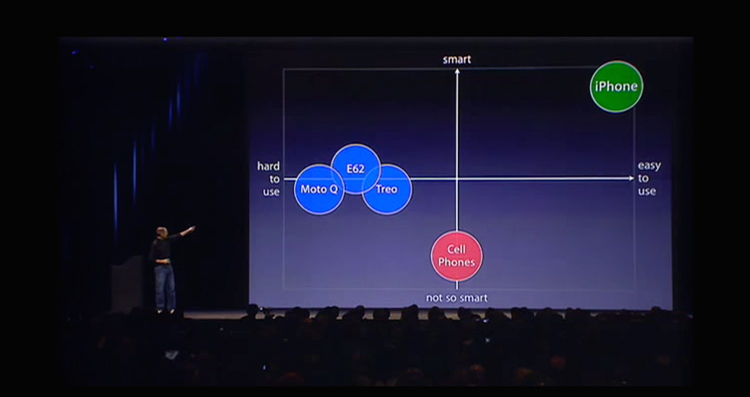
In many ways, marketing is all about positioning. Why should anybody buy this product instead of anything else (or nothing at all)? Why should anybody care about some particular piece of content? Why should anybody hire you? What do you, your content, your skills, etc bring to the table?
Study job postings closely — they reveal what the market wants.
I avoided doing this for a long time, because I love where I am and it felt a little bit scandalous to even entertain the thought. But it’s very useful to know what the job market is looking for. You can plan a career this way!
Look up the job descriptions of roles senior to your own, and ask yourself what you can or cannot do. And then build out those skill-sets.
Protip: This is also precisely how you work yourself into promotions and raises.
Take ownership. Make it easy for your boss to say yes.
Every boss fantasizes about having an employee that just shows up and gets things done without having to be told or micromanaged. Once you’re both clear about your priorities, goals and targets, figure out a plan and get it done.
Remember, your boss hired you to do a job, she doesn’t want to have to go over every single decision with you (though a good boss will do this for a while — teach a man to fish, etc). Do the thinking for her, and give her easy decisions to say yes to. (Eg: “We are currently paying A freelancers $B to get content that gives us C traffic, which leads to D signups. If we doubled down on A1, we would get more signups for less cost.”)
Move fast; go all the way through.
This is a little prescriptive and unscientific, but I do believe it. Ray Bradbury had a quote about how a writer “should be a thing of fevers and enthusiasms.”
Orchestra conductor Benjamin Zander has a similar point about how musicians should “stop thinking about every single note along the way, and start thinking about the long, long line from (start to finish).”
I’ve grown to believe that this is true for all sorts of work, including marketing. And maybe just life in general. Go all the way. Surf the waves of momentum.
Take care of your mental and emotional health.
Your work is going to fill a large part of your life, so it’s a good idea to do it well, to take it seriously, to enjoy it, to challenge yourself and so on.
But if you find yourself getting burnt out, depressed and so on, don’t lie to yourself about it.
You are the most important person in your life; take care of yourself. ❤
The Instructions I Wish I Was Given (As A Newbie Startup Marketer) was originally published in Bytes of Candy on Medium, where people are continuing the conversation by highlighting and responding to this story.
Originally published at https://bytes.referralcandy.com/the-instructions-i-wish-i-was-given-as-a-newbie-startup-marketer-3aa1f16660ca.